
Is Botox a Neurotoxin? Yes — and Here’s Why That’s Fine
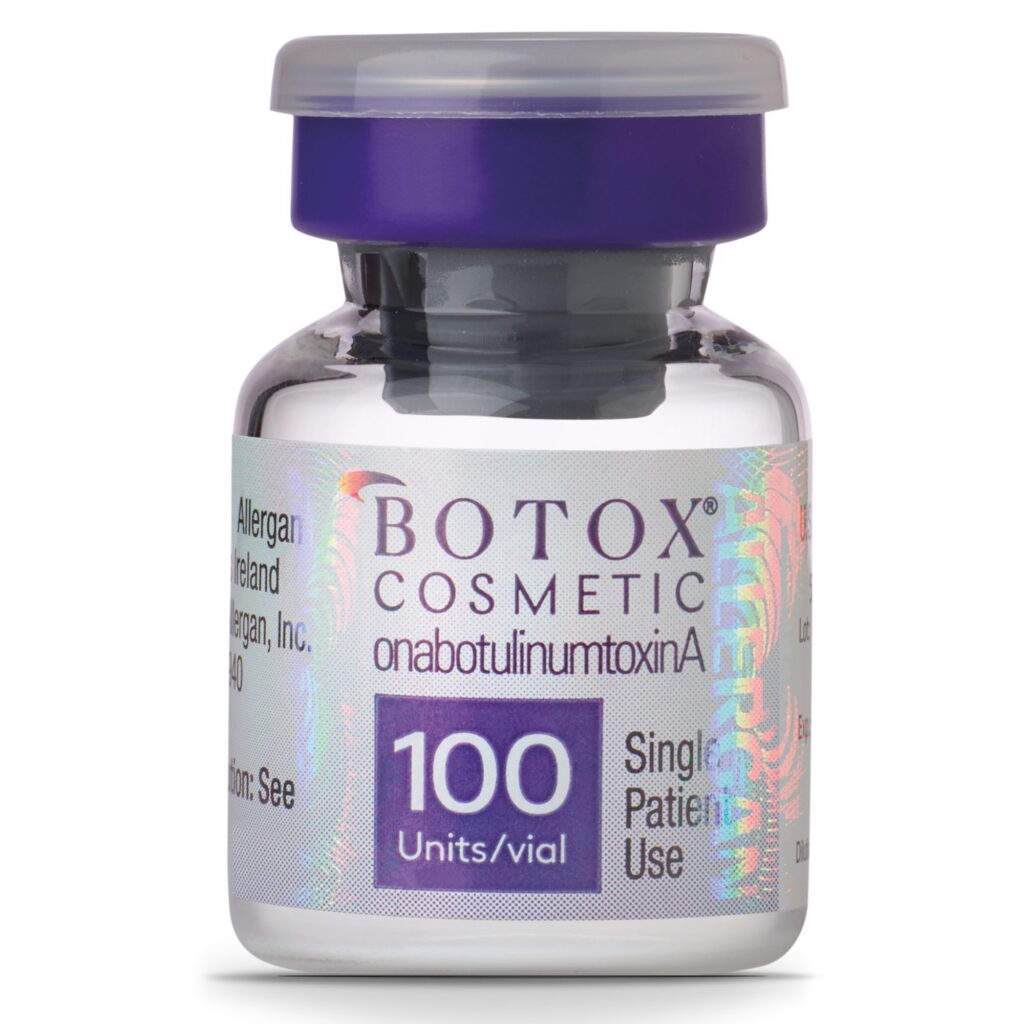
A friend confides in me after learning that we have a medspa, “I want to try Botox, but I’m just so scared!” A little probing reveals that she’s horrified by the “toxin” in the name of the products we inject into multiple patients everyday.
“It’s literally a neurotoxin. Shouldn’t I be worried?”
Yes, botulinum toxin is a neurotoxin. That’s not a dirty secret — it’s the mechanism. And the mechanism is exactly why it works so well for what it’s meant to do, and why it has such a strong safety profile when administered properly.
What “neurotoxin” actually means here
Botulinum toxin is a protein produced by Clostridium botulinum bacteria. At the neuromuscular junction — where nerve signals tell muscles to contract — it temporarily blocks the release of the neurotransmitter acetylcholine. No signal, no muscle contraction.
That’s the entire principle behind softening dynamic lines: we’re giving the muscle a rest.
The word “neurotoxin” just describes what the molecule does at a biological level. It’s the same logic that makes “antibiotic” sound benign even though it literally means “against life.” Context and dose determine the clinical application.
Wait, wait, what about botulism
The same bacteria and the same toxin is responsible for a disease called botulism. The disease is usually caused by ingesting soil and food contaminated with the bacteria or spores. The bacteria overgrows and releases large amounts of toxin that spreads all over the body through the blood stream. Muscles everywhere becomes weak, even those responsible for breathing.
Botulism is rare in adults. Infants under age 1 are the most vulnerable because they’re small, and haven’t developed linings in their gut to protect against bacteria invasion.
The dose makes the difference
Here’s the number that matters: a typical cosmetic treatment uses 20 to 30 units of Botox for a given area. A full face treatment uses 60-80 units. The estimated threshold for systemic danger (leading to symptoms of botulism) in an adult is thousands of units — orders of magnitude higher. The injected Botox stays in the treatment area. Very little, if any, gets into the blood stream or spreads to other parts of the body.
The FDA approved botulinum toxin for medical use in 1989 and for cosmetic use in 2002. Billions of treatments have been administered worldwide since then.
The American Academy of Dermatology puts it plainly: side effects from properly performed treatments “tend to be mild and temporary” — a small bruise, occasional soreness, a rare brief headache. Serious complications from cosmetic doses administered by qualified injectors are exceptionally rare.
Where the real risks live
The safety headlines that rightfully concern patients almost always involve the same pattern: counterfeit products purchased outside authorized supply chains, unlicensed providers working in non-medical settings, or — as the CDC documented in 2025 — self-injection of botulinum toxin bought online.
Those are not problems with the molecule. They’re problems with unregulated access to a prescription medication.
When you receive treatment from a qualified, licensed provider using an FDA-approved product obtained from an authorized distributor, you benefit from decades of clinical oversight, standardized dosing, and a practitioner trained to manage the rare unexpected outcome.
What to ask before your treatment
The CDC and AAD agree on the checklist:
- Is the provider licensed and trained to administer botulinum toxin?
- Is the product FDA-approved and obtained from an authorized supplier?
- Is the treatment being performed in an appropriate medical setting?
If the answer to any of those is unclear, find another provider. This is a medical procedure — and it deserves medical-grade care.
Ready for a neuromodulator consultation in Springfield, Illinois?
At Eocene Medical Spa, we use only FDA-approved neurotoxin products from authorized distributors, and every injection is performed by a trained, licensed clinician in a medical setting. We’re happy to walk you through mechanism, dosing, brand options, and what to expect — no judgment, just clear answers.
Book a complimentary consultation and bring all your questions. That’s exactly what it’s for.